“WordPress: A Content Management System to Democratize Publishing”
In the age of digital creation, WordPress is giving more people the chance to create their own website and share information. This can range from individual starting blogs to having a small business reach a wider audience. While WordPress has been used since 2003 (Cabot, 2018), the website still has its original structure, which can be challenging to navigate.
When further using WordPress and watching videos it becomes easier to navigate but can be challenging to choose which layout for the website. Each layout is based on a person’s preference, but they all can include lists, hyperlinks and design elements. While my website’s theme is gold, I have the ability to change the design and color how I see fit. I can also organize the subject of each article, ranging from travel to food, into different sections that can be found on the top of the website’s homepage.
WordPress has been a large influence on how small businesses, non profits, and writers are able to communicate and grow. According to FifteenDesign, over 40% of websites on the Internet use WordPress (Lindsay, 2024).
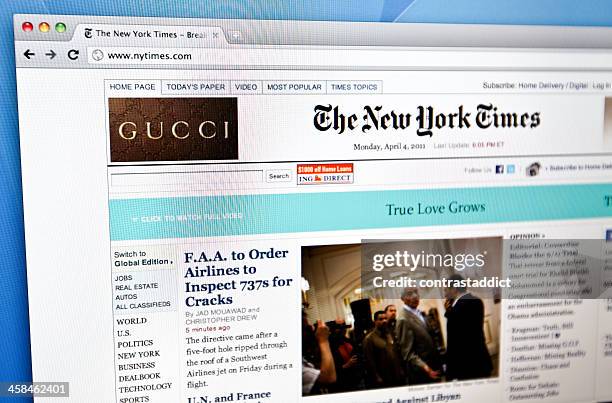
Some notable companies that use WordPress include TIME, The New York Times, The Ted Blog, The Walt Disney Company, and Sony Music (Minasyan, 2025). All of these websites rely heavily on WordPress to share content and create revenue and hence so does WordPress.
While WordPress is continuing to be a successful company and will continue to help other businesses grow, it has to stay updated with the times and keep up with trends. WordPress has hundreds of design theme options to choose from based on trends like travel, food, and wellness, just to name a few. While WordPress will continue to be a powerful website just the way it is, there is always the possibility of a better, more updated system that can take over.
“Styling the Self Online”
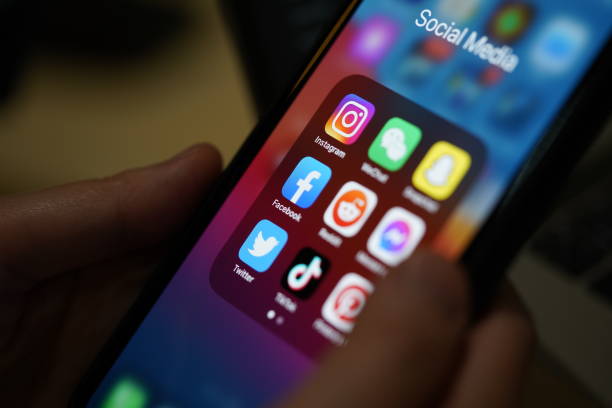
In this article, Adami focuses on how WordPress influences how an organization, business or individual presents themselves online and how it shapes their online presence. How we design not only websites, but how we are perceived on social media (Instagram, Facebook, TikTok, X) has also come into play.
Social media and WordPress have given millions of people the opportunity to express themselves and have a persona online. “The shaping of one’s identity and the styling of self are semiotically (rather than solely linguistically) realised, and are linked to a more general social construction of taste.” (Adami, 2018).
On Instagram for example, you can make your account public or private and post and share any image and videos a person likes (as long as it’s within the company’s guidelines). Another example is on Facebook someone can post where they went to school, where they are from, if they have a life partner, or where they live now.
On X, a person can make an account with a media profile and post a few short sentences. On Tik Tok, a person can post either a dance video, vlog makeup tutorial, or a day in the life short video. All of these social media platforms allow its users to have the freedom to post whichever content they want.
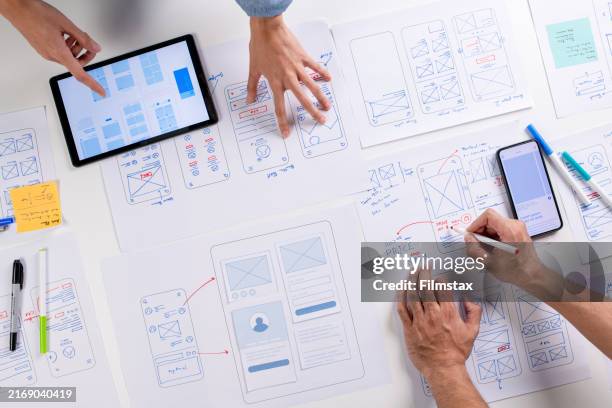
This is similar to WordPress as an individual can choose hundreds of design themes. This can range in color, layout of the website, theme, and font. While there are hundreds of possibilities, there is not a feature that will let you design from scratch, so if there is more customization, then individuals can better express who they are online.
Canva is a successful website that is designed for individuals to create posts, flyers and invites in a user friendly way. For me, I find this website easier to use than photoshop as Canva is simpler to navigate. The website gives options on what a person wants to create and there are also hundreds of templates to choose from, but users are able to customize.
The logo on the top of the blog was created using Canva for example. I discovered a travel theme template and customized the color, font, plane, and style to fit my liking.
The homepage and logo of a blog is very important as it is the first impression to viewers. It is important to be organized and clear on the homepage what the blog, non profit, or business is about. This also applies to images and coloring.
If there is an image or logo of a cupcake on the homepage for example, then a viewer is under the impression that the website is about food. This also applies to images or logos of sports, construction, beauty, travel and wellness. This is why my logo on the top of the homepage has a small airplane so the viewer is aware of the general theme of the blog. My blog is gold because the color represents power, Enlightenment, achievement, and excellence.
This article highlights the importance of having attention to detail and how a website is designed is important for first impressions. The website’s design, logo, font, colors, and how it is organized is important to having a viewer not only stay on a website, but also keep returning for more.
Work Cited
Adami, E. (2018b). Styling the self online: Semiotic technologization in weblog publishing. Social Semiotics, 28(5), 601–622. https://doi.org/10.1080/10350330.2018.1504713
Cabot, J. (2018). WordPress: A content management system to democratize publishing. IEEE Software, 35(3), 89–92. https://doi.org/10.1109/ms.2018.2141016
Lindsay, K. (2024, September 24). Should I use WordPress for my business website?. Fifteen. https://www.fifteendesign.co.uk/blog/should-i-use-wordpress-for-my-business-website/#:~:text=WordPress%20is%20by%20far%20one,clients%20are%20integrated%20with%20WordPress.
Minasyan, A. (2025, March 18). 31 WordPress website examples to inspire your next project. 10Web. https://10web.io/blog/wordpress-websites/